


How Regular Septic Tank Maintenance Prevents Costly Repairs
Key Takeaways:
- Routine septic maintenance prevents system failure and costly repairs.
- Regular care extends your system’s lifecycle and efficiency.
- Maintenance protects public health and the local environment.
Maintaining your septic system is an essential task for homeowners who want to protect their property and avoid expensive setbacks. With basic care and a septic pumping schedule, you can keep your system functioning smoothly and catch minor issues before they become major problems. Regular checks and simple preventative steps promote a healthier, more reliable system for years to come.
Homeowners sometimes overlook septic care, thinking it is a low-priority issue, but deferred maintenance can lead to costly repairs or even full system failure. Proactive action saves not only money but also helps shield your home and neighborhood from environmental hazards and unpleasant surprises.
In addition to cost savings, a well-maintained septic system benefits the surrounding environment and the health of your family and community. Septic failures can lead to hazardous leaks, groundwater contamination, and potential health issues. Maintaining your system is one of the simplest ways to safeguard both your investment and the local ecosystem.
Along with regular pumping, professional septic services can help inspect and maintain every part of the system, ensuring everything works as it should. Building these practices into your home care routine is key to long-term reliability.
Understanding Septic Systems
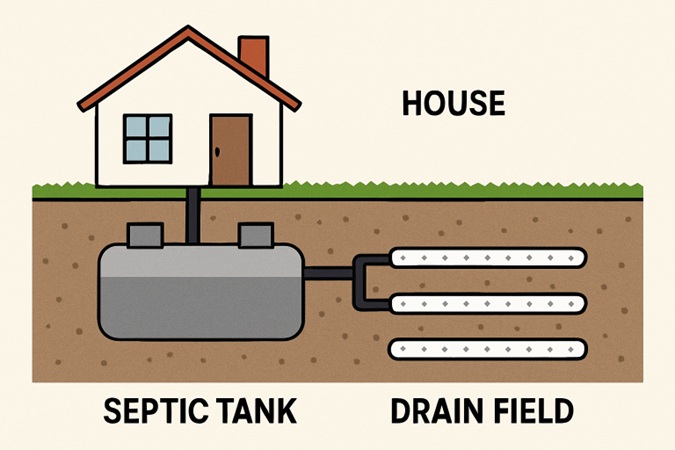
Septic systems are decentralized, underground wastewater treatment setups commonly found in rural and suburban areas. They generally consist of a septic tank, where waste separates and begins decomposing, and a drain field, where effluent is filtered through soil. The septic tank retains solids and grease, while liquids are discharged to the drain field for further purification. This basic process helps prevent untreated waste from reaching surface or groundwater sources.
The Importance Of Regular Maintenance
Routine maintenance is critical for reliable septic system operation. The Environmental Protection Agency recommends a professional inspection every 3 years, with septic tanks typically pumped every 3 to 5 years, depending on household size, tank capacity, and usage. Skipping inspections or pumping allows solids to accumulate, which can eventually block pipes and lead to system failure.
Preventing Costly Repairs
Neglecting your septic system can result in major expenses that easily exceed regular maintenance costs. Problems like a saturated drain field or damaged tank can cost thousands of dollars to repair or replace. A full-scale septic system replacement can cost between $8,000 and $15,000 or more. Investing in regular pumping and checkups helps catch issues early, often when they can still be fixed with minimal disruption and expense.
Extending The Lifespan Of Your Septic System
Proactive septic care dramatically extends the life of your system. By staying ahead of problems and never allowing solids to build up beyond recommended levels, homeowners avoid the stresses that shorten a system’s lifespan. Immediately addressing issues such as leaks, slow drainage, or overgrowth in the drain field is crucial. In most cases, well-maintained septic systems can last up to 40 years or longer, meaning homeowners see better long-term returns on their initial installations.
Protecting The Environment & Public Health
Malfunctioning septic systems can leak untreated or partially treated waste, putting both public health and the environment at risk. Overflows can contaminate groundwater with harmful bacteria, viruses, and nutrients, endangering drinking water sources and aquatic ecosystems. Consistent maintenance and timely repairs are essential for preventing these adverse outcomes and ensuring clean water in your area.
Best Practices For Septic Tank Maintenance
- Regular Inspections: Hire professionals to assess the system’s health at least every three years.
- Pumping Schedule: Remove solids every three to five years to prevent clogging.
- Water Conservation: Limit heavy water use to avoid overwhelming the tank and drain field.
- Responsible Waste Disposal: Never flush non-biodegradable items, grease, or chemicals; use septic-safe products to maintain bacterial activity in the tank.
Recognizing Signs Of Septic System Issues
Promptly recognizing leak or failure warnings minimizes damage and expense. Be on alert for:
- Sinks and toilets are draining slowly
- Pooling water or swampy ground near the drain field
- Foul odors around the tank or leach area
- Excessively lush grass above the drain field compared to other parts of the yard
Early intervention upon noticing these signals allows for quick repairs and often avoids major disruptions.
Conclusion
Homeowners can greatly benefit from taking a proactive approach to septic tank maintenance. Regular inspections, professional pumping, and adherence to best practices can help prevent costly repairs, extend the lifespan of the system, and protect the environment. By incorporating regular septic pumping and professional septic services into your routine, you are making an investment in peace of mind, financial savings, and environmental care.