


How To Build Reliable Recall: Getting Your Dog To Come Every Time
Key Takeaways:
- Reliable recall ensures your dog’s safety and increases off-leash freedom.
- Begin with basic indoor training and progress to more distracting environments.
- High-value rewards, consistency, and games make recall enjoyable and effective.
- Avoid common mistakes, such as repeating commands or using recall for punishment.
- Advanced training or professional help can overcome stubborn challenges.
Understanding The Importance Of Reliable Recall
Teaching your dog to come when called is one of the most valuable skills you can instill in them. Reliable recall creates a safety net, preventing your dog from encountering dangerous situations, such as running into traffic, approaching aggressive animals, or getting lost while off-leash. It allows your dog more freedom to explore and enjoy open spaces, knowing you can call them back at any time. If you’re searching for personalized, hands-on help, finding trusted dog training near me Tulsa, OK can provide faster progress with local expertise.
Peace of mind is another significant benefit of mastering recall. Whether at the park, on a hike, or in your backyard, having control and predictable responses from your dog lowers stress and builds mutual trust. This strong communication opens up new adventures for both you and your pet, ensuring outings remain safe and enjoyable for everyone.
Starting With The Basics: Indoor Training
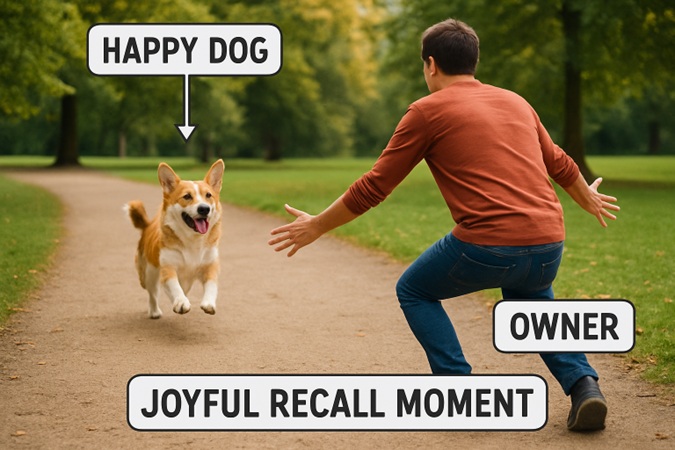
The foundation of reliable recall begins indoors, away from distractions. Start by choosing a clear cue word, such as “come,” and say it in an enthusiastic tone. Kneel, open your arms, and encourage your dog to come to you. As soon as your dog arrives, reward them immediately with praise, a treat, or their favorite toy. This positive experience helps build a strong association with the command.
Repeat this exercise several times a day, keeping sessions short but frequent. If your dog seems hesitant, try backing up as you call to prompt their movement towards you. Avoid negative reinforcement, as it may undermine trust. Gradually add mild distractions by tossing a toy nearby or inviting a friend to observe the training. These incremental steps lay the groundwork for successful recall outside the home.
Reliable recall doesn’t just benefit your adventures—it’s crucial for preventing accidents and fostering a deep bond, as emphasized by resources like the American Kennel Club.
Gradually Introducing Distractions
As your dog consistently responds indoors, it’s time to raise the challenge by moving outside. Begin in a securely fenced yard or a quiet park with minimal distractions. Increase the difficulty by practicing around other people, dogs at a distance, or with moving objects, such as bicycles. Always reward your dog for returning promptly to reinforce the recall cue, even when faced with external temptations.
Take your time at each stage. If your dog struggles, lower the distraction level and rebuild confidence before progressing. These regular, controlled practices greatly increase reliability, even in unpredictable settings. Expanding your recall training gradually also solidifies your dog’s decision to prioritize you over their environment.
Utilizing High-Value Rewards
The more enticing your rewards, the stronger your dog’s motivation to return. High-value treats can include bits of chicken, cheese, or commercial dog treats known for their flavor. For toy-driven dogs, a quick game of tug or fetch acts as an irresistible reward. Rotate between types of rewards to keep things fresh and maintain your dog’s enthusiasm.
Reserve these top-tier rewards exclusively for recall training. This exclusivity builds anticipation and strengthens the desired behavior. The key is for your dog to consistently view coming when called as more rewarding than any alternative.
Consistency & Positive Reinforcement
Consistency is central to mastering recall. Always reward your dog for returning, even if they hesitate or take a moment to come back. Avoid calling your dog for anything negative—if recall is associated with something unpleasant, your dog may develop resistance. Keep training frequent and predictable, so coming to you becomes second nature over time.
Positive reinforcement is more effective in shaping behavior than punishment. Celebrate every successful recall with enthusiasm to reinforce the joy of responding. Over time, this ongoing pattern helps your dog internalize a reliable, happy recall.
According to the Humane Society of the United States, patience and consistent rewards are fundamental to long-term recall success.
Incorporating Games To Enhance Recall
Turning recall into a game makes learning enjoyable for your dog. Hide-and-seek, where you call your dog from another room or behind an object, reinforces the command while adding fun and excitement. Alternatively, use a long line leash in a park to allow controlled freedom—let your dog wander, then call them to return for a reward.
These playful approaches keep your dog engaged and responsive. Incorporating games into daily routines increases recall reliability and cements a positive relationship between you and your pet.
Common Mistakes To Avoid
- Repeating the command multiple times without waiting for a response teaches your dog that listening is optional.
- Using the recall cue for punishment or after unpleasant experiences can create reluctance to return.
- Neglecting to reward your dog upon their return reduces motivation for future recalls.
Addressing these common pitfalls ensures that training remains constructive and recall solidifies as a lasting, dependable skill.
Advanced Training Techniques
Some dogs may resist coming when called despite your efforts. In such cases, professional instruction can make a substantial difference. Structured training classes provide specialized guidance tailored to your dog’s temperament and learning challenges, ensuring steady improvement over time.
For particularly stubborn cases, trainers may introduce techniques like distraction training with higher stakes, distance recalls, or incorporating whistle cues. These approaches offer even greater control in diverse situations and can transform recall from a struggle into second nature.
Final Thoughts
Developing a reliable recall is an investment in your dog’s safety, trust, and happiness. Patience, consistency, and positive experiences are the keys to success. With structured progression, thoughtful rewards, and engaging activities, you’ll enjoy a dog who is eager and excited to come every time you call.