


Transforming Operations: How Cellular Monitoring Systems Benefit Municipalities, Agriculture, & Industry
Key Takeaways:
- Cellular monitoring systems enable real-time data gathering and management across diverse sectors.
- These technologies drive efficiency, safety, and sustainability for municipalities, agriculture, and industries.
- Adoption of cellular monitoring fosters digital transformation, sustainability, and prompt responses to operational and environmental changes.
Introduction
The evolution of digital infrastructure has enabled the widespread adoption of cellular monitoring systems, providing organizations with actionable, real-time insights into their resources and operations. These systems use cellular networks to connect sensors, meters, and IoT devices, enabling seamless data transmission and analysis across both remote and urban environments. As industries and local governments strive to modernize, cellular monitoring delivers transformative benefits through improved data collection, greater efficiency, and enhanced sustainability.
From optimizing municipal resources to ushering in a new era of precision agriculture and boosting industrial output, the reach and relevance of cellular monitoring continue to expand. By integrating cellular-enabled technologies, decision-makers can enhance public safety, predict maintenance needs, and better use environmental data.
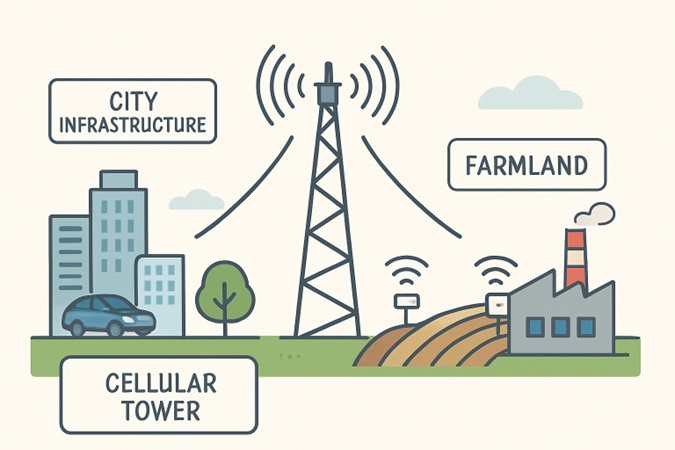
Cellular connectivity eliminates the constraints imposed by traditional wired networks, especially in expansive rural, agricultural, or hard-to-access sites. Whether it’s a city deploying smart utility meters or a factory fine-tuning a production line through sensor data, the foundational role of cellular technology is clear and rapidly growing in significance.
Enhancing Municipal Operations
Municipalities across the globe are embracing cellular monitoring to redefine essential services, from water and electricity to waste management. Smart meters, powered by cellular networks, automatically collect and transmit usage data to utility providers, reducing manual interventions, billing errors, and resource waste. Automated monitoring also supports early detection of leaks or outages, helping cities save money and better serve residents.
By harnessing real-time data, cities can respond swiftly to emergencies, improve traffic flow, and plan upgrades based on accurate usage trends and population growth.
Revolutionizing Agricultural Practices
Cellular monitoring is vital to the shift from traditional farming to modern precision agriculture. Internet of Things (IoT) devices in rural fields monitor soil moisture levels, track weather shifts, and analyze crop health—all feeding data back to farmers’ devices in real-time. These insights enable farmers to irrigate precisely when needed, optimize fertilizer and pesticide schedules, and detect plant stress early, significantly improving both yield and sustainability. Moreover, cellular connectivity enables the deployment of sensor networks in remote areas, where fixed-line connectivity can be costly or impractical. This enhanced visibility translates into better resource stewardship, with less water and fewer chemicals used while maintaining, or even improving, crop productivity.
Optimizing Industrial Processes
Industries leverage cellular monitoring systems to maximize efficiency and drive down costs. Through networked sensors and analytics platforms, companies can monitor machinery health, production line status, and energy consumption. Instead of reacting to breakdowns, predictive maintenance schedules are informed by real-time data trends, reducing unexpected downtimes and extending equipment lifespan.
Improving Environmental Monitoring
Accurate, timely data is essential when managing environmental challenges. Cellular-enabled monitoring stations track air and water quality, record weather events, and detect hazardous conditions in real time. This data equips municipalities and companies to quickly identify emerging problems and respond to natural disasters or pollution events. Environmental compliance is likewise streamlined, as required data can be transmitted instantly to regulatory bodies for auditing and reporting.
The combination of IoT sensors and cellular connectivity enables proactive interventions, such as early flood warnings or alerts for air pollution spikes, ultimately safeguarding communities and natural resources. The potential of this approach to empower rapid, scalable responses is illustrated by ongoing innovative city projects worldwide.
Facilitating Remote Management
Perhaps the most transformative benefit of cellular monitoring is remote management of assets and infrastructure. Whether it’s managing irrigation on a distant farm or controlling a city’s lighting grid, decision-makers can access dashboards, control panels, and maintenance tools from anywhere. This capability dramatically reduces the need for on-site personnel, lowers costs, and speeds up response times to real-world conditions.
As industries and governments expand their use of distributed assets, the value of being able to see, measure, and adjust operations from afar will only grow—ensuring business continuity and optimized resource allocation, even in the most hard-to-reach locations.
Enhancing Public Safety
Cellular monitoring contributes to safer, more resilient communities. Real-time surveillance, integrated traffic management, and emergency notification systems all benefit from always-on cellular connections. Authorities can detect incidents such as traffic jams, hazardous spills, or infrastructure failures immediately and dispatch resources accordingly. Enhanced situational awareness not only improves response times but also supports more targeted, data-driven public safety strategies. The integration of these advanced technologies ultimately fosters safer environments in both urban and rural contexts, where reliable data can mean the difference between a minor incident and a major crisis.
Conclusion
Cellular monitoring systems are revolutionizing how municipalities, agriculture, and industry approach daily operations. With real-time, scalable, and reliable data flows, organizations gain sharper insights, greater efficiency, and the ability to respond proactively. As digital transformation accelerates worldwide, the adoption and evolution of cellular monitoring will remain central to more innovative, safer, and more sustainable management across every sector.